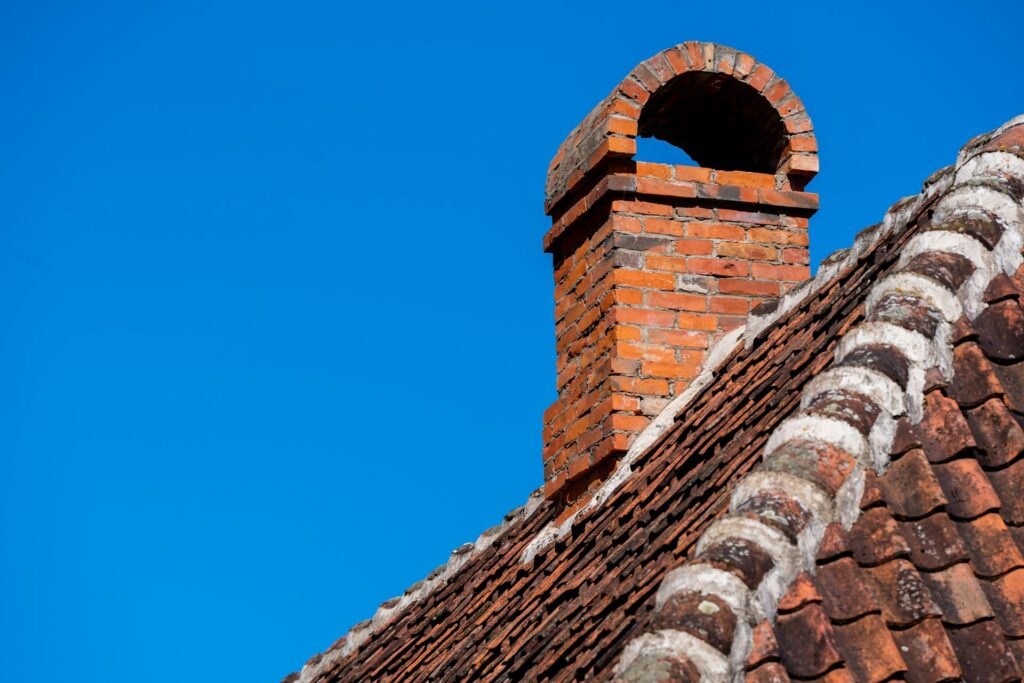
Cracked bricks, crumbling mortar, and chimney leaks can turn small exterior problems into expensive repairs before you realize how much damage has spread. You want to protect your home’s structure, avoid unexpected repair bills, and keep your masonry looking its best for years. Discover how weather damages brickwork, which warning signs deserve attention, and what practical maintenance steps can help prevent costly deterioration.
How Weather Erodes Exterior Brick
Brick absorbs a small amount of water during rain and snow. When temperatures fall, that moisture freezes and expands. Repeated freeze-thaw cycles can cause brick faces to flake, crack, or pop off, a condition called spalling.
Sun exposure also heats masonry unevenly, while wind-driven rain pushes water into tiny openings. Check exterior brick each spring and fall, paying close attention after a severe winter. Look for rough surfaces, missing brick faces, and cracks that seem wider than a credit card edge. Nearby gutters should drain freely, and sprinklers should never spray masonry on a regular schedule.
Warning Signs in Crumbling Mortar
Mortar joints usually wear faster than brick because mortar is designed to accommodate movement and direct stress away from the masonry units. Early deterioration may appear as shallow gaps, a sandy texture, or small piles of debris near the base of a wall or chimney.
Run a finger gently across a questionable joint. Mortar that powders under light pressure needs closer attention. Stair-step cracks, widening vertical gaps, and sections that appear to bulge can point to movement beyond normal surface wear. Avoid filling joints with a random patching product. A mortar that’s too hard may trap moisture or damage older brick, so the replacement mix must suit the existing masonry.
The Hidden Dangers of Flue Moisture
Moisture inside a chimney can remain unnoticed because much of the system is hidden from view. Rain may enter through a damaged crown or missing cap, while failed flashing can allow water to seep where the chimney meets the roof. Condensation may also develop when warm indoor air meets a cold flue surface.
Watch for stained ceilings, peeling paint near the fireplace, musty odors, or white mineral deposits on brick. These white mineral deposits are known as efflorescence and often signal that water is moving through the masonry. The deposits can be cleaned, but the moisture source should be found first, or they’ll return.
When to Call Trained Specialists
Schedule a professional evaluation when you see loose bricks, deep mortar loss, recurring leaks, or cracks that continue to grow. You should also call for help if the top of the chimney is difficult to view safely or if damage appears near the roofline. Avoid climbing onto a steep or wet roof for a closer look.
Homeowners in Cranberry Township can contact chimney experts for inspections, masonry and brick repair, leak repair, crown and flashing work, or liner installation. Ask the specialist to explain where water is entering, which materials match the existing structure, and whether the repair addresses the cause as well as the visible damage.
Long-Term Preservation Strategies
Keep masonry dry and monitor small changes over time. Clean gutters, extend downspouts away from the foundation, and trim branches that rub against exterior surfaces. Photograph the same areas once or twice a year so you can compare cracks, staining, and mortar loss without relying on memory. These regular checks are part of preventative home maintenance that can help keep repair costs manageable, especially when moisture damage is caught before it spreads.
Use breathable materials when repairs or coatings are recommended. Some sealants trap water inside brick, which can accelerate spalling during cold weather. Chimney crowns, caps, and flashing also need periodic checks because each one helps direct water away from vulnerable joints. A dated photo taken after every inspection creates a simple maintenance record and makes subtle changes much easier to spot.

Leave a Reply